If you ask ten people when to visit Tuscany, you’ll probably get ten different answers. Most people say the month they went, because Tuscany always feels like you chose the perfect time. Still, the real answer is more complicated than just saying, "spring is nice." Each month has its own pros and cons, and the best time for you depends on what you want from your trip.
Below is a month-by-month guide to what you can expect, along with some straightforward recommendations for different types of travelers.
January and February
These are the quietest months in Tuscany, by a wide margin. Florence’s main museums, like the Uffizi and the Accademia, have wait times of just minutes instead of hours. Hotels offer their lowest prices of the year. Restaurants that are busy in summer become calm and relaxed. If you’ve ever wanted to feel like you have Tuscany almost to yourself, January and February are your best bet.
The downside is the weather. It’s cold, with highs in the low 50s Fahrenheit, and it’s often gray or rainy. The Val d’Orcia can look beautiful on a clear winter day, with frost on the cypress trees and fog in the valleys, but that’s not guaranteed. The countryside is quiet, and some smaller farm stays and rural restaurants close for the winter.
Best for: travelers who prioritize art, museums, and city exploration over landscapes and outdoor dining. Excellent value.
March
March is a transitional month. It’s still cool and sometimes rainy, but there are clear days that hint at spring. Crowds remain manageable, prices are reasonable, and by mid-to-late March, the countryside begins to wake up. Almond trees start to bloom, and the light improves.
The weather in March isn’t always reliable, but being flexible pays off. If you can handle a few gray days, March gives you low prices, small crowds, and the chance for some beautiful spring afternoons.
Best for: budget-minded travelers willing to gamble a little on the weather.
April and May
This is the height of spring and, for many experienced travelers, the best time to visit Tuscany. The weather is warm but not hot, with highs in the mid-60s to low 70s Fahrenheit. The countryside is a bright green, wildflowers are everywhere, and tourist crowds haven’t yet reached their summer peak.
April includes Easter, which brings its own rhythm. There are more Italian visitors, some places close, and the hill towns feel festive. It’s not a bad time, just a bit busier than the weeks before and after. May is often considered the best time of the year, with reliable weather, long days, full restaurant and winery schedules, and crowds that are there but not overwhelming.
The only downside is that prices in May are solidly in the mid- to high-season range. It’s a good idea to book your accommodation several months in advance, especially for farm stays and small boutique hotels, since they fill up quickly.
Best for: first-time visitors, landscape lovers, wine travelers, and anyone who wants the "Tuscany postcard" experience at its most reliable.
June
Early June continues the pleasant spring period. By late June, summer has truly arrived. Temperatures reach the low 80s, tour groups become more common in Florence and Siena, and prices go up again. It’s still a good time to visit, but you’ll need a bit more planning and patience than in May.
June has the longest days of the year, so you get golden evening light that photographers and romantics love. Outdoor dining is reliably enjoyable, and wineries are busy with visitors.
Best for: travelers who want warm weather and long evenings and don't mind some crowds.
July and August
July and August are the most popular months for American tourists in Italy, but many experienced travelers actually try to avoid them. Here’s why.
The heat is intense. In August, Florence often reaches the high 80s and low 90s Fahrenheit. The old stone streets and buildings hold onto the heat, so afternoons can be uncomfortable. Major sites are the most crowded all year, and hotels are at their most expensive.
August brings another challenge: Ferragosto, the big Italian holiday. Around August 15th, much of Italy shuts down as family-run restaurants, local shops, and small hotels close while Italians go to the coast or mountains for vacation. Ironically, the most "Italian" thing about Tuscany in August is that many places are closed.
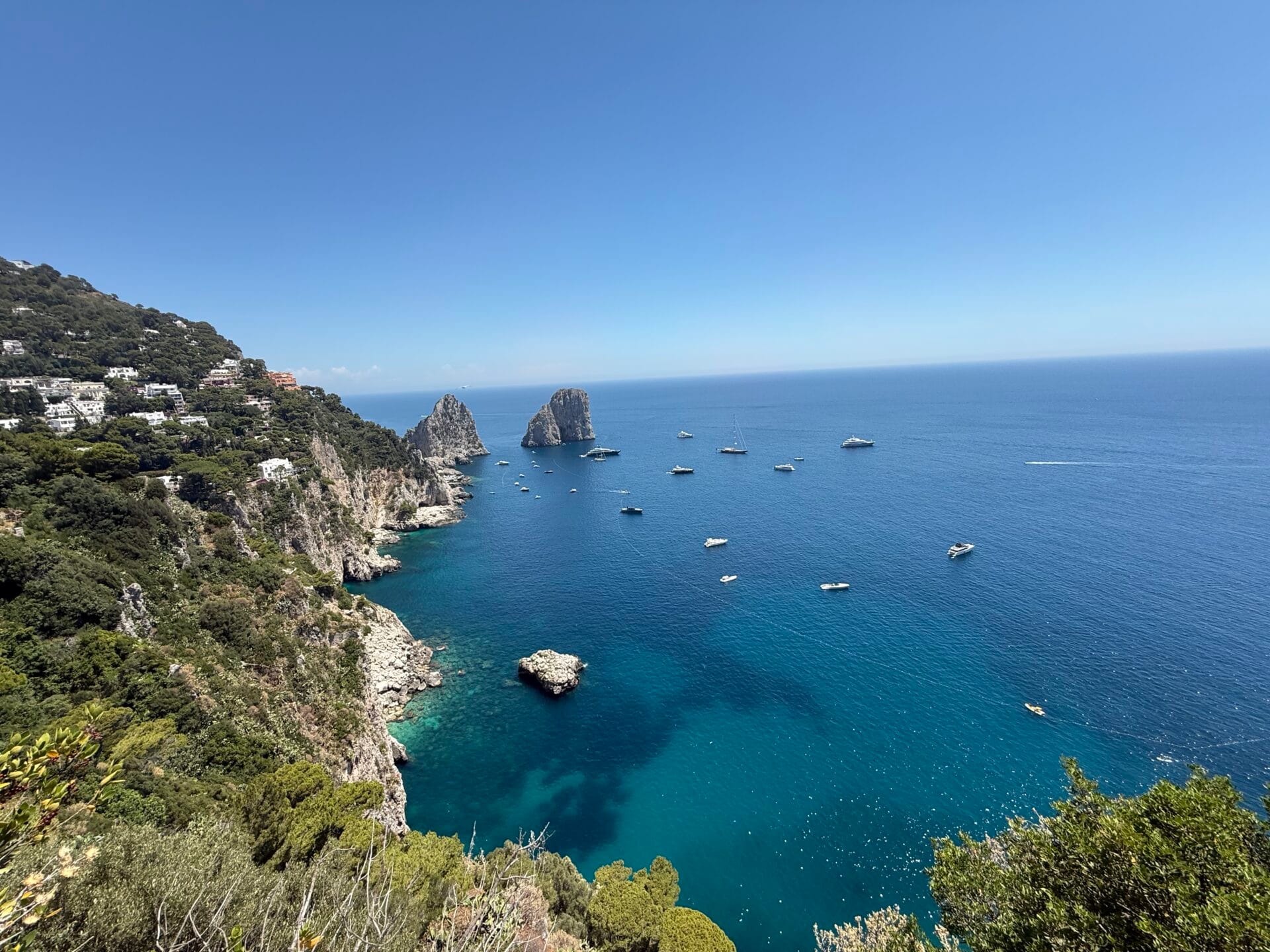
The Tuscan coast and the Maremma are great in summer if you want beaches. But if you’re looking for the classic Tuscany experience—hill towns, vineyards, and old cities—summer is the most challenging time to enjoy it.
Best for: travelers with no calendar flexibility who accept the trade-offs; families with school-age children; beach-and-culture combo trips.
September and October
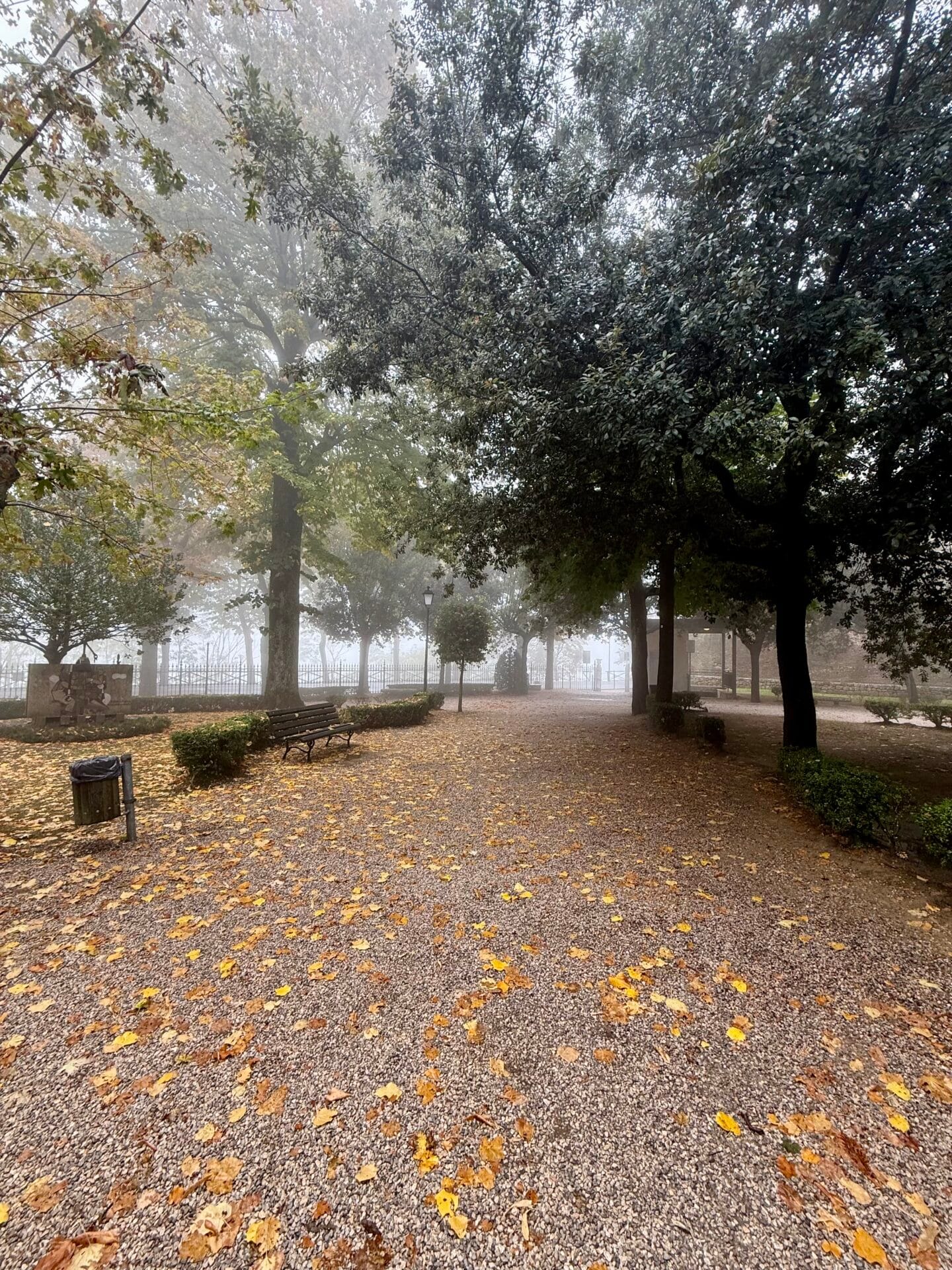
September is another top choice for visiting, and many people swear by it. The summer crowds have thinned out, temperatures drop to a comfortable range—mid-70s in September and low-to-mid 60s in October—and the landscape changes from green to gold as harvest season starts.
The grape harvest, called la vendemmia, usually runs from mid-September through October, depending on the year. It’s one of the best reasons to visit Tuscany at this time. Wineries are busy harvesting, many offer special experiences for visitors, and the atmosphere in the vineyards is unique. The olive harvest happens in October and November.
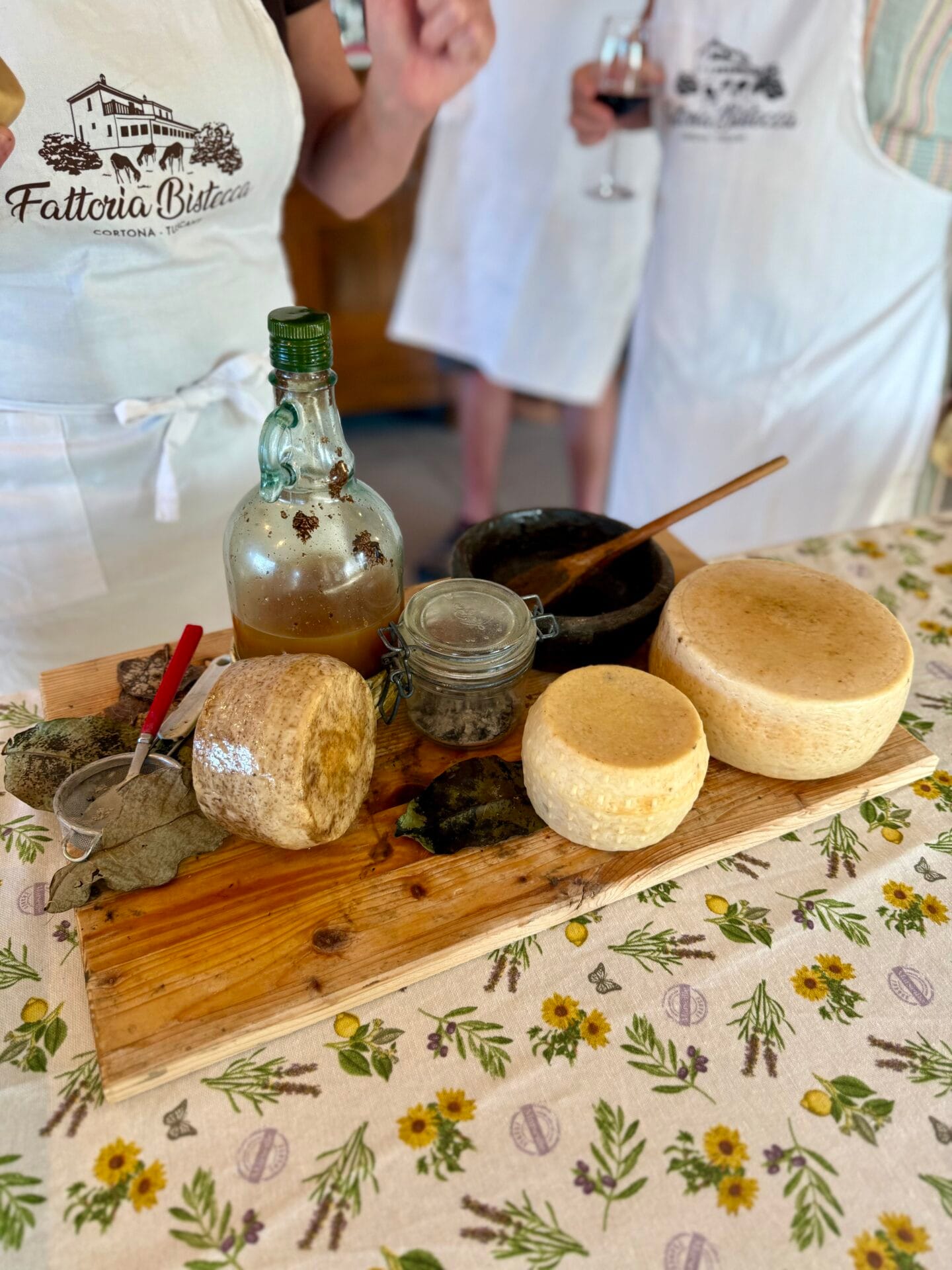
Prices in September are still close to high-season, but they drop more in October. October is a bit cooler and sometimes rainy, but it’s one of the best times for quality travel. Crowds are manageable, the scenery is beautiful, and the food is at its autumn peak: truffles, porcini mushrooms, chestnuts, and new-vintage wine.
Best for: wine and food travelers, photographers, anyone returning for a second or third visit who wants a different Tuscany than spring.
November and December
November doesn’t get enough credit. It’s quieter than October, prices drop again, and early November often has good weather with cool, clear days. The olive harvest is in full swing. By late November, the weather is less reliable, and December is cold and sometimes wet.
Still, December in Tuscany has its own charm. Christmas markets pop up in Florence and Siena, the cities are decorated, and the atmosphere is festive without the crowds of peak season. If you’re visiting Tuscany as part of a bigger Italy trip during the holidays, it’s a great time to go.
Best for: budget travelers, off-season enthusiasts, and anyone combining a Tuscany trip with a Christmas in Italy.
So What's the Best Month, Really?
If you can only visit once and want the most reliably beautiful experience, May is your best choice. The weather is good, everything is open for tourists, and the landscape looks its best.
If you want good value without sacrificing much, October is Tuscany’s best-kept secret. The harvest season, the light, and the food make it truly special, and you’ll pay much less than in spring or summer.
If you want to avoid crowds at almost any cost, January or February will show you a side of Tuscany most tourists never see. Just be sure to pack for the cold and check that your favorite restaurants are open before you go.
One month you might want to rethink is August. Unless your travel dates are set, there are better times to enjoy Tuscany.