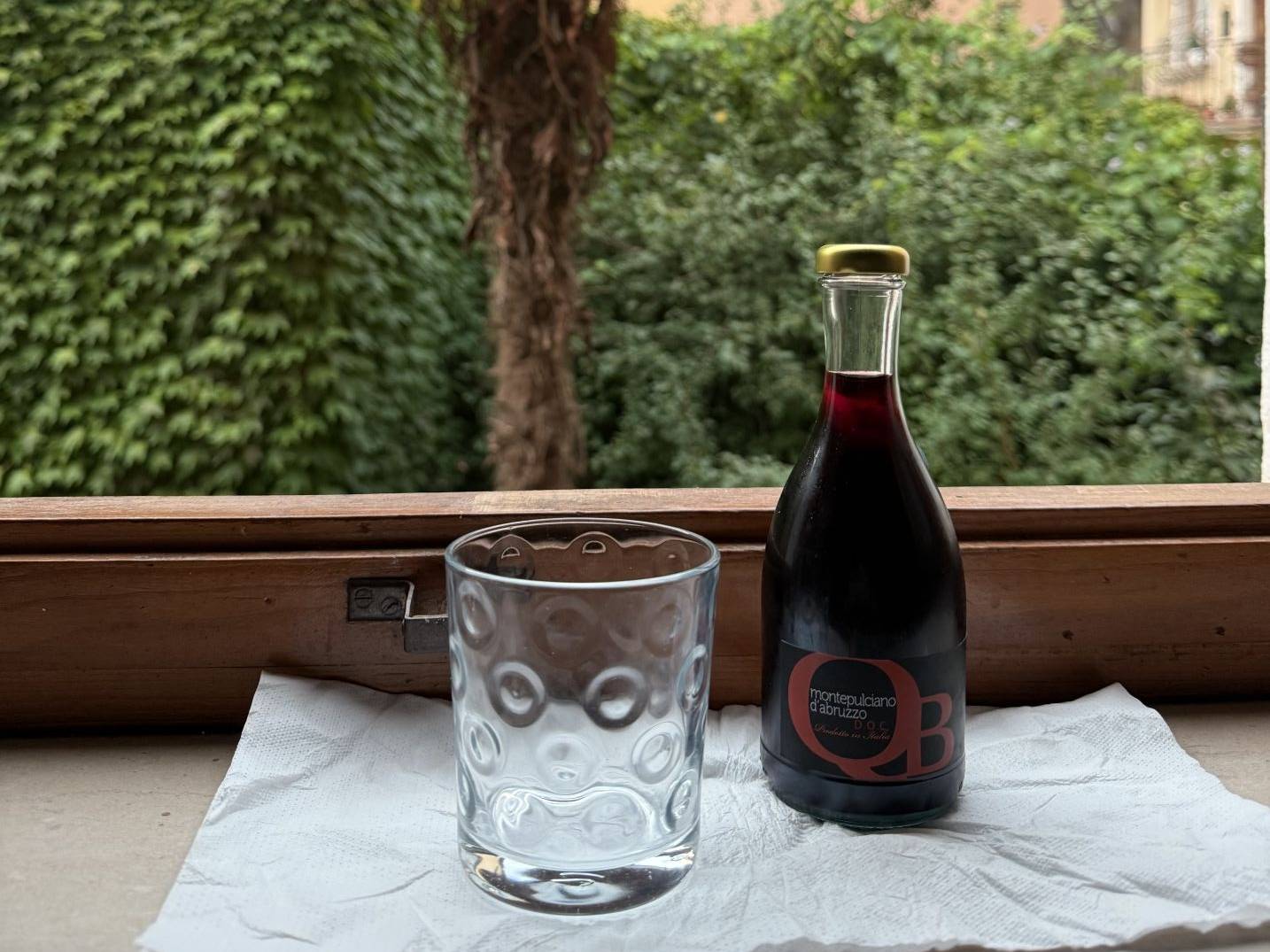
Winemaking in Montepulciano, Tuscany, stretches back to at least 789 AD, when Arnipert, a cleric, gifted vineyard land to the church of San Silvestro. Even older Etruscan tunnels beneath the town hint at an even earlier winemaking tradition.
The “noble” name reflects centuries of association with aristocracy. During the Renaissance, Pope Paul III’s cellarman Sante Lancerio praised it as “Perfectissimo” wine for the tables of the Lords, reinforcing its elite status.
Literary Acclaim and International Praise
By the late 17th century, Vino Nobile had gained cultural prestige. In 1685, poet Francesco Redi famously crowned Montepulciano “the king of all wines.” Its reputation spread across Europe. Thomas Jefferson, known for his love of wine, called it a personal favorite, and Voltaire referenced it in Candide, showing its reach during the Enlightenment.
Modern Recognition and DOCG Status
In 1925, Adamo Fanetti became the first modern producer, naming his wine “nobile” to distinguish it from earlier local terms. His work helped shape the wine’s modern identity.
Official recognition followed: DOC status in 1966 and DOCG status in 1980, making Vino Nobile one of Italy’s first DOCG wines. These rules protected traditional methods and ensured consistent quality.
What Makes Vino Nobile Special
Terroir and Geography
Vino Nobile di Montepulciano can only be produced in vineyards surrounding the hilltop town of Montepulciano in southeastern Tuscany. Vineyards range from 250 to 600 meters in elevation between the Ocria and Chiana rivers. Clay, sand, limestone, and pockets of volcanic soil—combined with Mediterranean warmth and cooling elevations—create ideal conditions for Sangiovese.
Grape Composition and Production Standards
The wine must contain at least 70% Sangiovese (locally called Prugnolo gentile), blended with 10–20% Canaiolo Nero and small amounts of other native varieties, such as Mammolo. While it shares Sangiovese roots with Chianti and Brunello, its profile is distinct.
Aging requirements are strict: a minimum of 24 months (36 for riserva), with at least 12 months in oak, typically large Italian botti that offer gentle, gradual maturation.
Flavor Profile and Characteristics
Vino Nobile typically shows a deep maroon color that softens toward brick with age. Expect aromas of dark cherry and plum, flavors of ripe red fruits, firm yet balanced tannins, and a lightly tannic “tea-leaf” finish. The wine’s acidity makes it age-worthy; many bottles evolve beautifully for up to 20 years.
Montepulciano d’Abruzzo: A Different Wine Entirely
Why the Name Causes Confusion
Despite sharing the name “Montepulciano,” these wines are entirely different, highlighting their unique identities. Tuscan Vino Nobile is made from Sangiovese near Montepulciano, while Montepulciano d’Abruzzo is crafted from the Montepulciano grape in Abruzzo, emphasizing their separate origins and character.
Historical Background
The Montepulciano grape has been cultivated in Abruzzo for centuries. Roman accounts mention Hannibal giving his soldiers wine from Montepulciano grapes to restore their strength. Though the wine has since changed, the grape’s heritage is ancient.
Modern recognition came with DOC status in 1968. A smaller area, Colline Teramane, earned DOCG status in 2003, reflecting the region’s commitment to quality.
Geographic Origin and Climate
The Montepulciano d’Abruzzo DOC covers a large portion of Abruzzo, stretching from the Apennine foothills to the Adriatic Sea. With more than 65% of Abruzzo covered by mountains—some rising above 2,700 meters- the landscape creates diverse microclimates.
Calcareous clay soils, warm sun exposure, and cooling coastal breezes help shape the wine’s character, offering both richness and freshness.
Production Requirements
DOC rules require at least 85% Montepulciano grapes, with up to 15% Sangiovese allowed. Standard DOC wines must age for at least 5 months, while riserva wines must age for 2 years (including at least 9 months in wood). Minimum alcohol levels are 12% for DOC and 12.5% for riserva.
Flavor and Style
Montepulciano d’Abruzzo is often deeply colored, aromatic, and full-bodied, with notes of black fruit, pepper, oregano, and tobacco. Tannins are firm, acidity is typically lower than in Tuscan Sangiovese, and oak-aged versions develop smoky, toasty, chocolate, or spicy characteristics.
Key Differences Between the Two Wines
Grape Varieties
- Vino Nobile: Sangiovese (minimum 70%)
- Montepulciano d’Abruzzo: Montepulciano grape (minimum 85%)
These grapes are genetically and stylistically distinct.
Geographic Separation
Vino Nobile comes from Montepulciano in Tuscany; Montepulciano d’Abruzzo comes from Abruzzo on the Adriatic coast. The two areas are separated by the Apennines and share no borders.
Wine Style and Structure
- Vino Nobile: Elegant, balanced, medium-bodied, bright acidity.
- Montepulciano d’Abruzzo: Fuller-bodied, richer, rustic, deeply colored.
Aging Requirements
- Vino Nobile: Minimum 24 months (12 in oak).
- Montepulciano d’Abruzzo: Minimum 5 months; riserva requires 2 years (9 months in wood).
Both wines can age well, but Vino Nobile typically benefits from longer aging before release, with a minimum of 24 months, compared to Montepulciano d’Abruzzo’s shorter aging requirements.
Price and Availability
Vino Nobile offers strong value compared to other Tuscan Sangiovese wines like Brunello. Montepulciano d’Abruzzo tends to be even more affordable and widely available, making it an accessible introduction to Italian reds.
Food Pairing Recommendations
Vino Nobile di Montepulciano
The wine’s acidity and balanced tannins make it versatile. It pairs well with pizza, pasta with red sauce, barbecue, and even spicy Asian dishes.
Classic Tuscan matches include bistecca alla fiorentina, wild boar ragù, and aged pecorino. The wine’s acidity cuts through rich sauces, while its tannins complement grilled meats.
Montepulciano d’Abruzzo
Its robust structure is ideal for hearty, rustic cuisine—red meats, game, meat lasagna, and traditional Abruzzese dishes. It works beautifully with tomato-based sauces, braised meats, and aged cheeses. Bold, comforting flavors bring out the best in this wine.
Which Wine to Choose? It’s Up to You
Although Vino Nobile di Montepulciano and Montepulciano d’Abruzzo share a name, they represent entirely different traditions. Vino Nobile reflects Tuscan elegance, crafted from Sangiovese in a historic hilltop town and celebrated by poets, philosophers, and presidents. Its early DOCG status underscores its prestige.
Montepulciano d’Abruzzo highlights the character of the Montepulciano grape and the dramatic landscapes of Abruzzo. As one of Italy’s most exported wines, it offers exceptional value while showcasing impressive depth, especially from areas like Colline Teramane.
Both deserve a place on your table. Whether you prefer the refined structure of Vino Nobile or the hearty profile of Montepulciano d’Abruzzo, knowing their differences allows you to appreciate each wine for what it truly is. And the next time you see these names on a wine list, you’ll be able to choose with confidence.