Tuscany's name is nearly synonymous with luxury travel, but it need not be reserved only for big budgets. The range between a budget-friendly trip and a high-end splurge here is wider than almost anywhere else in Europe. Whether you're trying to figure out if $5,000 is enough or whether $10,000 will cover two weeks for two people, here's an honest breakdown of what things actually cost.
All figures below are per person unless otherwise noted, based on a 7-day trip from the US East Coast.
Getting There: Flights
Flights are usually the biggest expense for Italy trips, including Tuscany. Florence (FLR) is the nearest major airport. Many travelers fly into Rome (FCO) or Milan (MXP) and take the train, often for lower fares.
- Budget: $600–$900 round trip. This range is for an economy ticket, typically booked three to four months out, often with a connection, and includes taxes and fees.
- Mid-range: $900–$1,400 round trip (economy, direct or one stop, flexible dates)
- Splurge: $2,500–$5,000+ round trip (business class)
The cheapest months to fly are November through early March (except holidays). Spring falls in the mid-range, and summer is peak pricing. For spring, booking 4 to 6 months in advance usually secures better fares.
Where to Stay: Accommodation
Accommodation in Tuscany ranges from no-frills guesthouses to centuries-old villas, offering vastly different experiences — both equally valid choices.
Budget (per night, per room):
- Guesthouse or B&B in a smaller town: $80–$120
- Three-star hotel in Florence: $100–$160
- Hostel private room: $60–$90
Mid-range (per night, per room):
- Boutique hotel in Florence or Siena: $180–$280
- Agriturismo in the countryside: $150–$250
- Apartment rental for a week: $900–$1,500 (often better value for longer stays)
Splurge (per night, per room):
- Luxury hotel in Florence (e.g., Borgo Santissimi Apostoli or Portrait Firenze): $400–$700+
- Renovated villa or high-end agriturismo with vineyard views: $350–$600+
For a 7-night trip, accommodation will run roughly $560–$840 on a budget, $1,260–$1,960 mid-range, and $2,450–$4,200 or more at the top end.
Getting Around: Transportation
How you get around Tuscany significantly affects your budget—and your experience.
Trains: Italy's rail network connects Florence to Siena, Pisa, Lucca, and Arezzo, offering efficient and affordable service. Regional train fares typically run $8–$20 per leg. If you're sticking to cities, a rail-only approach for a week might cost $80–$150 total in ground transportation.
Car rental: Essential for the countryside, vineyards, and smaller hill towns. Budget $40–$70 per day for a compact manual car (includes basic insurance), or $60–$100 per day for an automatic (harder to find in Italy, book in advance). Additional costs: fuel, autostrada tolls, and parking. Typically, the total for a week is $350–$600, factoring in all these expenses.
Private transfer from Florence airport to the city center: $50–$80. Transfers from Rome or Florence to a villa in Val d'Orcia: $150–$300 each way.
Food and Drink
Tuscany can be remarkably affordable or wonderfully extravagant, depending on your choices.
Budget meals: Coffee and pastry for breakfast: $2–$3. Lunch from a rosticceria or market: $8–$12. Dinner at a trattoria with house wine: $20–$30. Total per day: $35–$50.
Mid-range meals: Sit-down lunch with wine: $20–$35. Dinner at a top restaurant with a shared bottle: $50–$80 per person. Total per day: $70–$120.
Splurge eating: A tasting menu at a serious Tuscan restaurant — there are several with Michelin recognition in the region — will run $100–$200 per person before wine. Add a proper Brunello or Vino Nobile, and you're looking at $200–$350 for a special dinner. These meals are genuinely worth it for the right traveler; just budget accordingly.
Activities and Experiences
Many of Tuscany's best experiences are free or cheap, but some paid ones are worth including.
- Museum entry (Uffizi, Accademia): $20–$25 each; book timed entry in advance
- Day tours from Florence (Chianti, Siena, Cinque Terre): $60–$120 per person
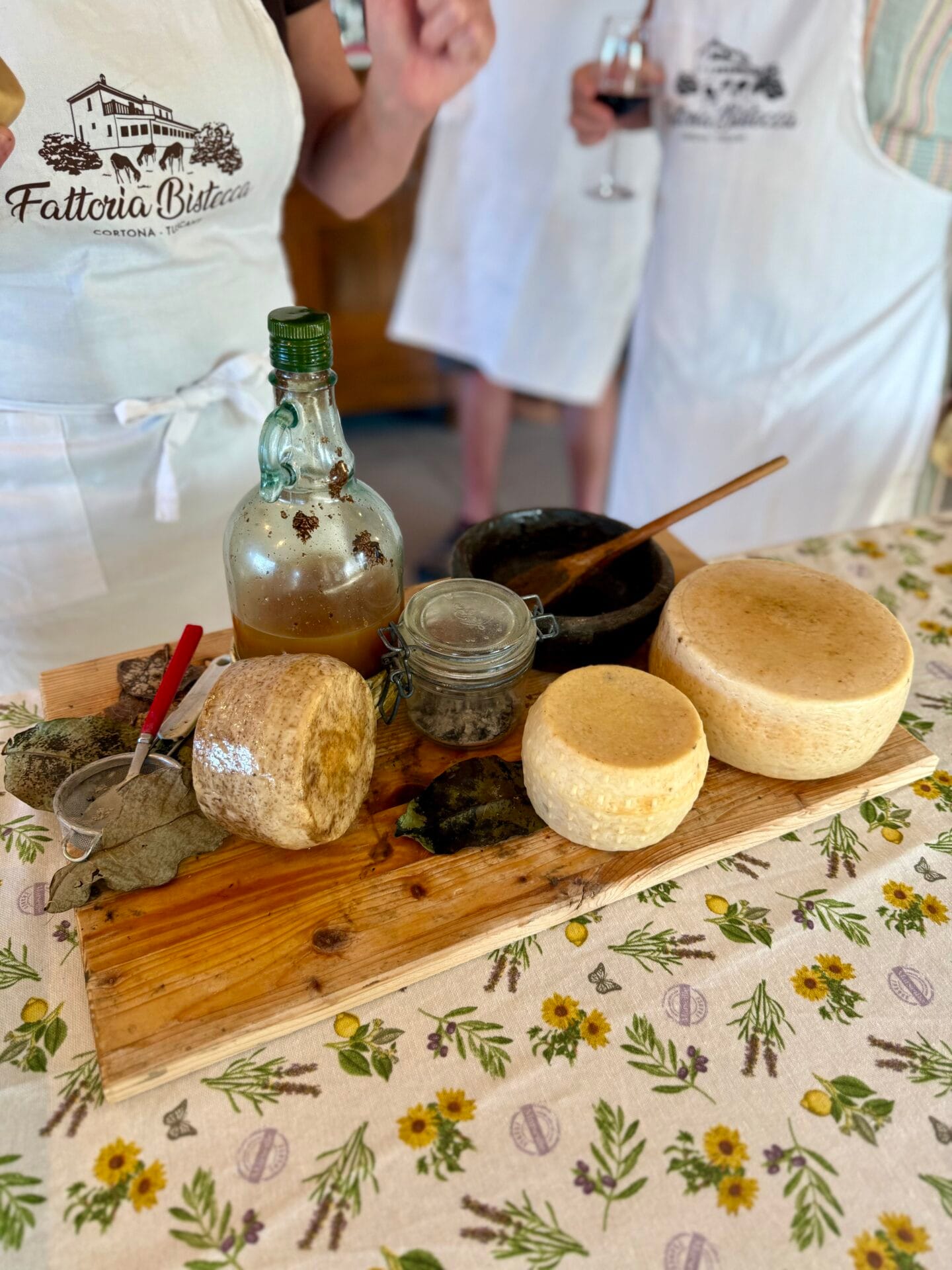
- Winery tour and tasting: $25–$60 per person for standard, $80–$150 for private or premium.
- Cooking class: $80–$150 per person for a half-day class
- Truffle hunting experience: $80–$120 per person
Budget $100–$150 on a modest trip, $300–$500 mid-range, or $600–$1,000+ for wine, private tours, and classes.
Gathering It All Together
Here's how a 7-day solo trip from the US East Coast shakes out at each level:
Budget trip: ~$2,800–$3,500. This estimate includes an economy flight ($700), guesthouse accommodation for 7 nights ($700), ground transportation by train only ($120), daily budget meals for a week ($300), and modest activities ($150). To save, focus on lower-cost lodging and take advantage of free local experiences.
Mid-range trip: ~$4,500–$6,500. This range covers an economy flight (roughly $1,100), boutique hotel or agriturismo stays for seven nights ($1,600), car rental for local travel ($450), mid-range dining for a week ($700), and a handful of well-chosen activities ($400). This approach blends comfort and memorable experiences without big sacrifices.
Splurge trip: ~$9,000–$15,000+. This budget includes business-class flights ($4,000), luxury accommodations such as a high-end hotel or a villa night ($4,000), private airport or city transfers ($400), premium dining and wine over the week ($1,200), and private tours or private tastings ($800). At this price, expect a top-tier, truly luxurious Tuscany experience.
Is $5,000 Enough for a Tuscany Trip?
Yes, comfortably, for one person. A solo traveler with $5,000 to spend has room for a decent economy flight, good mid-range accommodation, a rental car for part of the trip, real meals with wine, and a few worthwhile experiences. For two people sharing costs on accommodation and a car, $5,000 total is tight but workable if you're careful with flights and don't splurge heavily on dining every night.
For two, $10,000 provides a comfortable mid-range trip with room for special moments like a villa night, fine dining, or a private tour. For one person, $10,000 allows for true luxury.
Flights matter most. Book early, stay flexible, and consider flying into Rome with a train connection—this usually helps your budget fall into place.