It's one of the first questions people ask when planning a trip to Italy: how long should I spend in Tuscany? The honest answer depends on what you want out of it — a highlights reel, a slower immersion, or something in between. But there are some useful frameworks, and knowing what each trip length actually gets you will help you plan a realistic itinerary rather than an overly ambitious one you'll spend the whole time rushing through.
Let's break down what your ideal itinerary could look like, based on trip length.
The Short Case: 5 Days
Five days in Tuscany is genuinely enough time to have a meaningful trip — as long as you're selective about what you try to fit in.
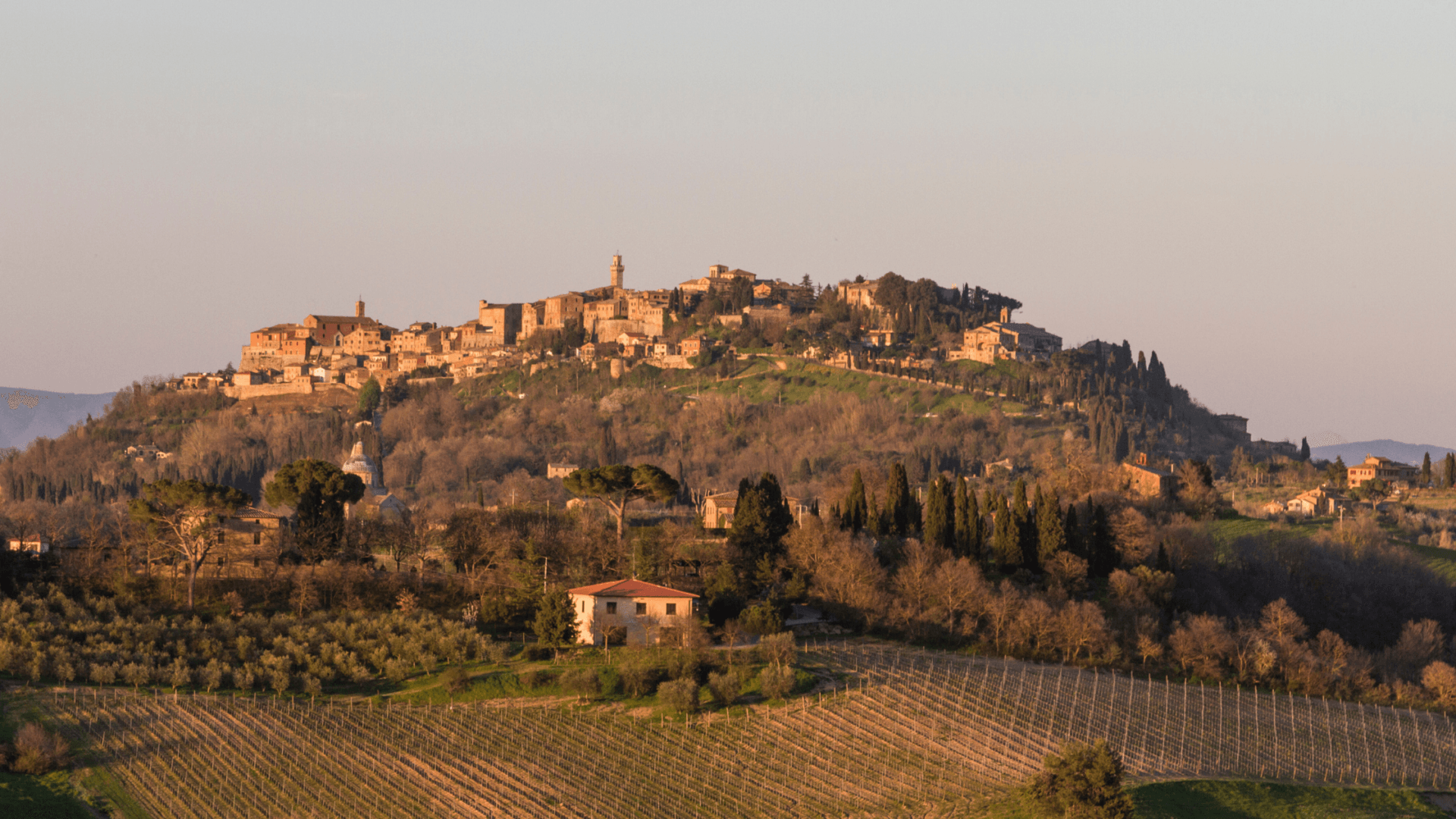
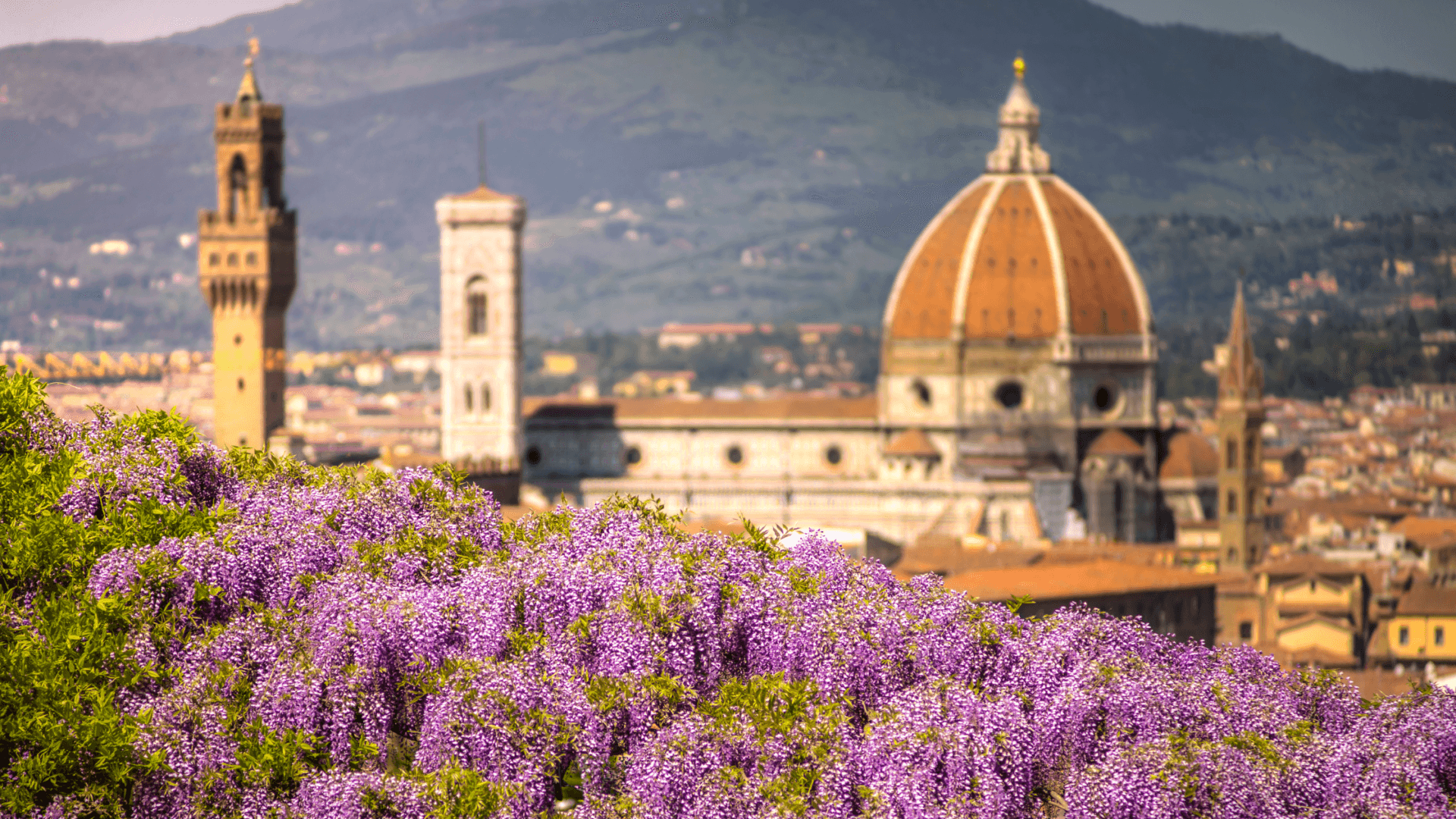
A focused 5-day itinerary might look like this: two days in Florence, one day in Siena, one day exploring the Chianti countryside (with a winery stop), and one day in a hill town like San Gimignano or Montepulciano. That's a complete trip. You'll have seen the Uffizi and the Duomo, walked the Campo in Siena, driven through some of the most beautiful vineyard scenery in Europe, and eaten very well throughout.
What five days won't give you is spontaneity or breathing room. Every day needs to be roughly accounted for, and if something runs long — say, an extended lunch or a winery visit that lasts all afternoon — something else gets cut. Five days works best for travelers who are comfortable with structure and prefer depth in a few places over hitting many spots.
One thing to avoid with a 5-day trip: trying to add Rome or the Amalfi Coast. The travel time alone will eat a full day each way, and you'll end up with two half-trips rather than one satisfying one.
The Sweet Spot: 7 Days
Seven days is the length most experienced Italy travelers recommend for a first Tuscany trip, and it's easy to see why. You have enough time to cover the major bases without feeling like you're racing through them, and you can absorb a bit of the slower pace that makes the region what it is.
A solid 7-day framework:
- Days 1–2: Florence — the Uffizi, the Accademia (Michelangelo's David), the Oltrarno neighborhood, and an aperitivo at dusk
- Day 3: Day trip to Siena and San Gimignano — yes, you can do both in a day if you rent a car and start early
- Days 4–5: The Val d'Orcia — Pienza, Montalcino, Montepulciano, a winery or two, and the rolling landscapes that look exactly like Renaissance paintings
- Day 6: Lucca or the Cinque Terre coast, depending on whether you want medieval walls or seaside villages
- Day 7: Back to Florence for any loose ends, or a slow morning before departure
Seven days lets you include the Val d'Orcia — which many travelers consider the most beautiful part of Tuscany — without sacrificing Florence or Siena. It also gives you at least one day that feels unhurried, which is arguably the whole point of going.
The Deeper Dive: 10 Days
Ten days in Tuscany changes the experience from simply visiting to truly spending time. With this much time, you stop optimizing every hour and can settle in.
The extra three days over a week-long trip are best spent doing one or more of the following:
Spending more time in the countryside. The hill towns between Siena and the Val d'Orcia — Montalcino, Pienza, Bagno Vignoni, Castiglione d'Orcia — reward slow exploration. A base in an agriturismo for two or three nights, with no fixed agenda beyond a winery visit and a long dinner, is one of the best ways to experience Tuscany.
Getting to Arezzo and the Casentino. Eastern Tuscany — Arezzo, Cortona, the Casentino valley — is quieter and less visited than the Siena corridor, and it's beautiful. Arezzo has one of the finest Renaissance fresco cycles in Italy (Piero della Francesca's Legend of the True Cross in the Basilica of San Francesco) and a lovely old town that gets a fraction of Florence's crowds.
Slowing down in Florence. A week in Tuscany often means two rushed days in Florence. Ten days might mean three unhurried ones — time to revisit a museum, wander the Oltrarno without a plan, eat at a place you passed on the first day and regretted not stopping at.
What Keeps People from Staying Long Enough
The most common mistake American travelers make in Tuscany isn't choosing the wrong places; it's underestimating how long it takes to actually get there. Florence is roughly a 10–11-hour travel day from the East Coast, including the flight, connection, and transfer from the airport to the city. The first day of any Tuscany trip is effectively a wash for many people, which means a "5-day trip" often has only four functional days of sightseeing.
If you're coming from the US, build a buffer. Arrive a day before you intend to start doing things. Give yourself one evening to eat, sleep, and adjust — then begin.
A Note on Traveling by Car vs. Train
How you get around Tuscany affects how many days you need. Traveling by train keeps you tied to the major cities — Florence, Siena, Pisa, and Lucca are all well connected — but the countryside and smaller hill towns require a car. If you're planning to spend significant time in the Val d'Orcia or exploring places like Montepulciano and Pienza, you'll want to rent a car for at least part of the trip.
The good news: driving in the Tuscan countryside is genuinely one of the pleasures of the trip. The roads through the Crete Senesi and Val d'Orcia are as scenic as anything you'll photograph when you arrive.
The Short Answer
If you have 5 days, focus your itinerary on a rewarding trip. With 7 days, expect a satisfying mix of sights and relaxation. If you stay 10 days, you'll experience Tuscany deeply and may want even more time there.
No matter your trip length, avoid adding too many destinations outside Tuscany. Stay long enough in one place to truly appreciate what makes Tuscany special.